이 글에는 스포일러가 포함되어 있습니다.
(This post contains spoilers.)
스포일러를 원하지 않는 분들은 주의해 주세요.
(Please be cautious if you'd prefer to avoid spoilers.)
요즘 시간이 날 때마다 책을 읽으려고 하고 있다.
(These days, I've been trying to read whenever I have time.)
이번에 선택한 책은 성해나 작가의 첫 장편소설 〈두고 온 여름〉이다.
(This time, I chose author Seong Haena's first full-length novel, "The Summer We Left Behind.")
첫인상 (First Impressions)
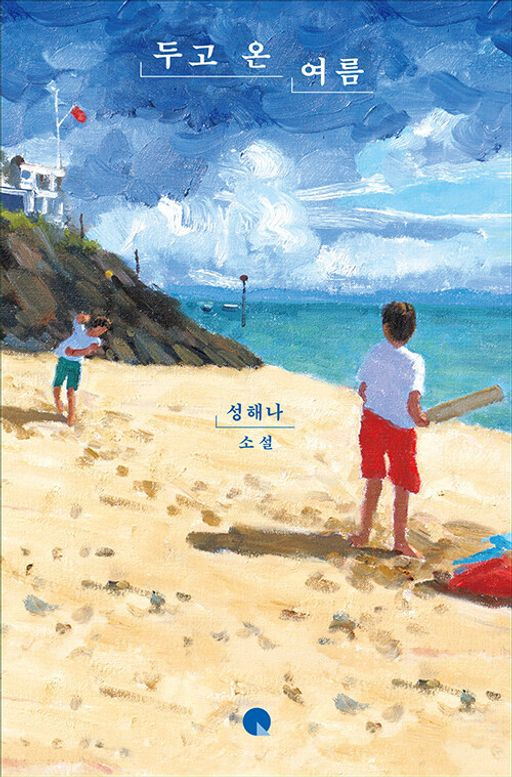
표지만 처음 봤을 때는 크리켓을 하는 듯한 두 아이의 모습과 담담한 제목 때문에 어떤 이야기인지 쉽게 짐작되지 않았다.
(At first glance, the cover — showing two children who seemed to be playing cricket — and the understated title made it hard to guess what the story was about.)
스릴러나 강한 사건 중심의 소설을 좋아하는 독자라면 초반은 다소 잔잔하게 느껴질 수도 있다.
(Readers who enjoy thrillers or plot-heavy novels might find the opening a bit slow.)
하지만 사진이라는 소재가 인물들의 기억과 관계를 이어주는 방식이 흥미로워 조금씩 이야기에 빠져들게 된다.
(But the way photography connects the characters' memories and relationships is intriguing, and I gradually found myself drawn into the story.)
줄거리 (Plot Summary)
소설은 사진관을 운영하는 아버지와 그의 아들 기하, 그리고 아버지의 재혼으로 가족이 된 새어머니와 그녀의 아들 재하를 중심으로 이야기가 전개된다.
(The novel centers on a father who runs a photo studio, his son Giha, and the stepmother and her son Jaeha who become family through the father's remarriage.)
기하가 열아홉이 되던 여름, 아버지는 재혼을 하고 처음으로 네 사람이 함께 가족사진을 남긴다.
(In the summer Giha turns nineteen, his father remarries, and the four of them take a family photo together for the first time.)
어린 시절 어머니를 잃은 기하에게 그 여름은 평범한 일상처럼 지나가는 듯했지만, 돌이켜보면 가족의 형태가 바뀌기 시작한 출발점이었다.
(For Giha, who lost his mother in childhood, that summer seemed to pass like any ordinary day — but looking back, it was the starting point where his family's shape began to change.)
붙임성 좋은 재하와 사춘기를 지나며 예민해진 기하의 관계는 쉽게 가까워지지 않는다.
(The relationship between the affectionate Jaeha and the increasingly sensitive, adolescent Giha doesn't grow close easily.)
부모는 새로운 가정을 지켜보려 애쓰지만 결국 결혼 생활은 4년 만에 끝나고, 두 사람의 형제 관계도 자연스럽게 멀어진다.
(The parents try hard to hold their new family together, but the marriage ends after four years, and the two boys' relationship as brothers naturally drifts apart as well.)
서로를 완전히 잊지는 못하지만 먼저 손을 내미는 사람은 없고, 그렇게 시간이 흘러간다.
(Neither can fully forget the other, but neither reaches out first, and time simply passes.)
결말 (The Ending)
오랜 시간이 지난 뒤 기하와 재하는 우연히 다시 만나게 된다.
(After a long time, Giha and Jaeha happen to meet again by chance.)
반가움과 어색함이 공존하는 재회 속에서 두 사람은 같은 시간을 서로 다르게 기억하고 있었다는 사실을 마주한다.
(In a reunion filled with both warmth and awkwardness, they come to realize that they had remembered the same period of time in very different ways.)
함께했던 기억을 떠올리며 과거를 다시 들여다보지만, 극적인 화해나 재결합으로 이어지지는 않는다.
(They revisit their shared memories and look back on the past together, but it doesn't lead to a dramatic reconciliation or reunion as a family.)
오히려 각자의 방식으로 그 시절을 받아들이고 앞으로 나아가는 결말이 오래 남는다.
(Instead, the ending — where each of them accepts that time in their own way and moves forward — is what lingers.)
흔한 성장소설이었다면 화해와 포옹으로 마무리했을 이야기지만, 〈두고 온 여름〉은 관계를 쉽게 봉합하지 않는다.
(A typical coming-of-age novel might have wrapped things up with reconciliation and an embrace, but "The Summer We Left Behind" doesn't stitch the relationship back together so easily.)
그래서 오히려 더 현실적으로 느껴졌다.
(That's precisely what made it feel more realistic to me.)
인상적인 서술 방식 (A Striking Narrative Structure)
이 작품의 또 다른 매력은 기하와 재하, 두 사람의 시점을 오가며 이야기가 진행된다는 점이다.
(Another appeal of this novel is that the story unfolds by moving between the perspectives of both Giha and Jaeha.)
같은 시간을 보냈지만 기억하는 방식은 서로 다르다.
(They lived through the same time, but they remember it differently.)
기하가 바라본 재하와 새어머니, 재하가 기억하는 형 기하는 같은 사건을 전혀 다른 온도로 받아들인다.
(The way Giha saw Jaeha and his stepmother, and the way Jaeha remembers his older brother Giha, show how the same events were felt at completely different emotional temperatures.)
이러한 시선의 차이가 가족이라는 관계가 얼마나 복잡하고 미묘한지를 자연스럽게 보여준다.
(This difference in perspective naturally reveals just how complex and delicate family relationships can be.)
총평 (Overall Thoughts)
큰 사건이나 자극적인 반전은 없지만, 재혼가정을 어느 한 사람의 입장만으로 설명하지 않고 각 인물의 감정을 차분하게 따라간다는 점이 인상 깊었다.
(There's no big event or sensational twist, but what impressed me was how the novel doesn't explain a remarried family from just one person's viewpoint, and instead calmly follows each character's emotions.)
읽고 나면 가족은 반드시 같은 마음을 가져야 하는 존재가 아니라, 서로를 완전히 이해하지 못하더라도 함께 시간을 견뎌낸 사람들일 수 있다는 생각이 남는다.
(After finishing it, I was left with the thought that family doesn't have to mean sharing the exact same feelings — it can simply mean people who endured a stretch of time together, even without fully understanding one another.)
재혼가정이나 형제 관계, 혹은 가족이라는 이름 아래 어쩔 수 없이 맺어진 관계에 대해 한 번쯤 고민해 본 사람이라면 이 소설이 전하는 조용한 여운을 충분히 느낄 수 있을 것이다.
(Anyone who has ever thought about remarried families, sibling relationships, or bonds formed inescapably under the name of "family" will be able to fully feel the quiet resonance this novel offers.)
ⓒ 2026 달빛 모찌 / 무단도용·불펌 금지
© 2026 Dalbit Mochi / No unauthorized use or reproduction
#두고온여름 #성해나 #창비소설 #소설추천 #책추천 #성장소설 #독서기록 #가족소설