이 글에는 스포일러가 포함되어 있습니다.
(This post contains spoilers.)
스포일러를 원하지 않는 분들은 주의해 주세요.
(If you'd prefer to avoid spoilers, please proceed with caution.)
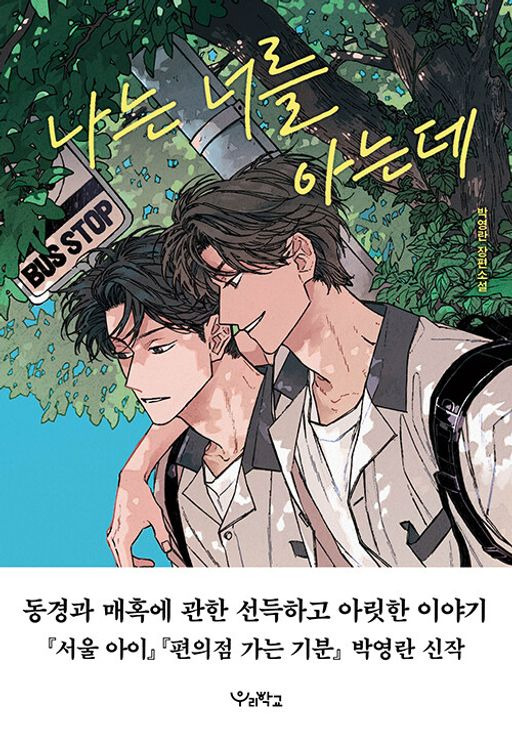
이번에 읽은 책은 박영란 작가의 '나는 너를 아는데'이다.
(The book I read this time is "I Know You" by author Park Young-ran.)
제목만 보면 누군가를 잘 안다고 생각했던 관계에 관한 따뜻한 이야기일 것 같았는데, 실제로는 생각보다 훨씬 어둡고 묘한 분위기의 소설이었다.
(Judging by the title alone, I expected a warm story about a relationship where you thought you knew someone well, but it turned out to be a far darker and more unsettling novel than I anticipated.)
'나는 너를 아는데'는 2025년 11월 우리학교에서 출간된 청소년 문학으로, 212쪽 분량의 소설이다.
("I Know You" is a young adult novel published by Woorischool in November 2025, running 212 pages.)
제목에서 시작되는 질문 (A Question Rooted in the Title)
처음부터 가장 궁금했던 것은 제목이었다.
(What intrigued me most from the start was the title itself.)
'나는 너를 아는데' — 누군가를 안다는 것은 과연 무엇일까.
("I know you" — what does it really mean to know someone?)
같은 시간을 보내고, 그 사람의 행동을 지켜보고, 나름대로 그 사람을 이해한다고 생각해도 정말 그 사람을 알고 있다고 말할 수 있을까.
(Even if you spend time with someone, watch their behavior, and believe you understand them in your own way, can you truly say you know them?)
이 책은 바로 그 질문에서 시작되는 것처럼 느껴졌다.
(The book felt like it began precisely from that question.)
줄거리 (Plot Summary)
주인공 '나'에게는 오래전부터 기억하고 있는 한 사람이 있다.
(The narrator, "I," has long remembered one particular person.)
나보다 네 살 많은 그 사람은 비싼 밥을 사주기도 하고 때때로 친절을 베풀기도 했지만, 한편으로는 쉽게 이해하기 어려운 불친절함과 묘한 분위기를 가진 사람이었다.
(Four years older than the narrator, this person would sometimes buy expensive meals and show kindness, yet also carried a puzzling unkindness and an unsettling air.)
어린 시절의 '나'에게 그 사람은 어딘가 특별하고 신비로운 존재였던 것 같다.
(To the young narrator, this person seemed somehow special and enigmatic.)
하지만 그 사람은 결국 '나'의 친구들에게 학교폭력을 저지르는 사건을 일으키고, 서울로 전학을 간다.
(But that person eventually committed an act of school violence against the narrator's friends and transferred to a school in Seoul.)
이후 유학을 떠나면서 '나'는 다시는 그 사람을 볼 일이 없을 것이라고 생각한다.
(After going abroad to study, the narrator assumed they would never see this person again.)
그런데 몇 년 뒤 그 사람이 다시 돌아온다.
(But a few years later, that person returns.)
문제는 그 사람이 과거의 일을 전혀 기억하지 못한다는 것이다.
(The problem is that this person remembers nothing of the past.)
여기서부터 이야기가 굉장히 묘해진다.
(From here, the story grows deeply unsettling.)
정말 기억을 잃은 것일까?
(Has this person truly lost their memory?)
왜 다시 돌아온 것일까?
(Why did they come back?)
그 사람은 과거의 일을 정말 아무것도 기억하지 못하는 것일까?
(Do they genuinely remember nothing at all of the past?)
그리고 무엇보다 '나'가 기억하고 있는 그 사람과 지금 눈앞에 있는 그 사람은 같은 사람일까.
(And above all, is the person the narrator remembers the same as the one standing before them now?)
책을 읽는 동안 나 역시 계속 이런 질문을 하게 됐다.
(While reading, I too kept asking myself these same questions.)
정의하기 어려운 관계 (A Relationship That Resists Definition)
흥미로웠던 것은 두 사람의 관계를 하나의 단어로 쉽게 정의하기 어렵다는 점이었다.
(What I found compelling was how difficult it is to define the relationship between the two characters in a single word.)
친구라고 하기에도 애매하고, 가족도 아니고, 그렇다고 단순히 가해자와 피해자의 관계로만 설명하기에도 복잡하다.
(They're not quite friends, not family, and their bond is too complicated to be reduced simply to perpetrator and victim.)
어린 시절의 '나'가 그 사람에게 느꼈던 동경과 매혹, 그리고 이후 마주하게 된 폭력과 상처가 한 사람 안에서 계속 충돌한다.
(The admiration and fascination the young narrator once felt for this person, and the violence and pain encountered later, continue to collide within a single person.)
그래서 이 책이 단순히 학교폭력을 다룬 소설로만 느껴지지는 않았다.
(For that reason, the book never felt like a simple story about school violence.)
기억과 책임에 관한 질문 (Questions About Memory and Responsibility)
읽으면서 가장 불편했던 부분은 오히려 누군가에게 상처를 받은 사람의 기억과 상처를 다른 사람이 쉽게 판단할 수 없다는 것이었다.
(What unsettled me most while reading was that no one else can easily judge the memories and wounds of a person who has been hurt.)
가해자는 기억하지 못한다고 말하고, 피해자는 분명히 기억하고 있다.
(The perpetrator claims not to remember, while the victim clearly does.)
그렇다면 기억하지 못하는 사람에게 과거의 책임은 어디까지 남아 있는 것일까.
(So how much responsibility for the past remains with someone who cannot remember it?)
반대로 피해자가 오랫동안 기억하고 있는 일은 시간이 흐른다고 해서 정말 아무것도 아닌 일이 될 수 있을까.
(Conversely, can something the victim has carried in memory for so long truly become nothing simply because time has passed?)
책은 이런 질문에 쉽게 답을 내려주지 않는다.
(The book doesn't offer easy answers to these questions.)
오히려 '나'가 그 사람을 계속 의심하고 과거의 일을 되짚어보면서 독자 역시 함께 생각하게 만든다.
(Instead, as the narrator keeps doubting this person and retracing the past, readers are drawn into thinking alongside them.)
'누군가를 안다'는 것에 대하여 (On What It Means to "Know" Someone)
특히 인상적이었던 것은 '누군가를 안다'는 것에 대한 이야기였다.
(What struck me most was how the book approaches the idea of "knowing" someone.)
우리는 가까운 사람일수록 그 사람을 잘 안다고 생각한다.
(The closer we are to someone, the more we tend to believe we know them well.)
하지만 내가 알고 있는 것은 그 사람의 일부일 뿐일 수도 있다.
(But what I know may only be a fragment of who they truly are.)
내가 본 모습, 내가 기억하는 모습, 내가 느낀 감정이 그 사람의 전부는 아닐 것이다.
(What I saw, what I remember, and what I felt are not the whole of that person.)
반대로 상대방이 기억하지 못한다고 해서 내가 겪었던 일이 사라지는 것도 아니다.
(And conversely, the other person's forgetting doesn't erase what I actually went through.)
결국 이 책은 기억이라는 것이 얼마나 불완전하면서도 강력한 것인지 보여주는 이야기처럼 느껴졌다.
(In the end, the book felt like a story showing just how incomplete and yet how powerful memory can be.)
또 하나 기억에 남았던 것은 동경과 폭력이 아주 멀리 떨어져 있는 감정만은 아니라는 점이다.
(Another thing that stayed with me was that admiration and violence aren't as distant from each other as they seem.)
처음에는 신비롭고 멋있어 보였던 사람이 어느 순간 다른 사람에게 폭력을 행사하는 사람이 될 수 있다.
(Someone who once seemed mysterious and admirable can, at some point, become someone who commits violence against others.)
그리고 그 모습을 알게 된 뒤에도 과거에 느꼈던 동경이나 호감이 완전히 사라지지 않을 수도 있다.
(And even after learning this, the admiration or affection once felt may not disappear entirely.)
사람에 대한 감정은 그렇게 단순하게 정리되지 않는다는 것을 보여주는 것 같았다.
(It seemed to show that feelings toward another person can't be tidily resolved in such simple terms.)
그래서 오히려 더 현실적으로 느껴졌다.
(And that, in turn, made it feel all the more realistic.)
소설의 분위기 (The Novel's Atmosphere)
전체적으로 '나는 너를 아는데'는 가볍게 읽을 수 있는 청소년 소설이라기보다는 기억, 관계, 동경, 폭력, 책임에 대해 생각하게 만드는 서스펜스 소설에 가까웠다.
(Overall, "I Know You" felt less like a light YA read and more like a suspense novel that provokes reflection on memory, relationships, admiration, violence, and responsibility.)
어두운 밤과 숲이라는 공간이 주는 묘한 긴장감이 있고, 누군가를 믿어도 되는지 계속 의심하게 만드는 장면들이 이어진다.
(The dark night and forest settings create an unsettling tension, and scene after scene makes you keep questioning whether the characters can be trusted.)
책 소개에서도 이 작품을 '놀이와 폭력 사이', '기억과 책임의 경계'를 묻는 이야기로 소개하고 있는데, 실제로 읽어보니 왜 그런 표현을 사용했는지 이해할 수 있었다.
(The publisher's description frames this work as a story questioning "the line between play and violence" and "the boundary between memory and responsibility," and having actually read it, I could understand why those phrases were chosen.)
총평 (Overall Thoughts)
무엇보다 좋았던 점은 작가가 독자에게 정답을 쉽게 알려주지 않는다는 것이다.
(Above all, what I appreciated was that the author doesn't hand readers easy answers.)
누가 완전히 선하고 누가 완전히 악한지 단순하게 나누기보다는, 한 사건을 둘러싼 기억과 감정이 사람마다 얼마나 다르게 남을 수 있는지를 보여준다.
(Rather than simply dividing characters into wholly good or wholly bad, the book shows how differently memory and emotion around a single event can settle in different people.)
그래서 책을 다 읽고 난 뒤에도 '나는 그 사람을 정말 알고 있었던 걸까?'라는 생각이 오래 남았다.
(So even after finishing the book, the question "Did I really know that person?" lingered with me for a long time.)
청소년 문학이지만 어른이 읽어도 충분히 생각할 거리가 많은 책이었다.
(Though categorized as YA fiction, it gives adult readers plenty to think about as well.)
학교폭력이라는 소재가 들어가 있어 편안한 분위기의 소설을 기대한다면 조금 무겁게 느껴질 수도 있지만, 관계와 기억, 사람을 바라보는 시선에 대해 생각해 볼 수 있는 청소년 소설을 찾는다면 읽어볼 만한 책이라고 생각한다.
(Since it deals with school violence, it may feel heavier than expected if you're looking for a light read, but if you want a YA novel that makes you reflect on relationships, memory, and how we see other people, it's well worth reading.)
제목인 '나는 너를 아는데'가 책을 다 읽고 나면 처음과는 전혀 다르게 느껴진다는 점도 인상적이었다.
(What struck me too was how the title, "I Know You," feels entirely different by the time you finish the book compared to when you first read it.)
'나는 너를 안다'고 말하는 것이 얼마나 어려운 일인지, 그리고 우리가 누군가를 안다고 생각할 때 실제로 알고 있는 것은 무엇인지 한 번쯤 생각하게 만드는 소설이었다.
(It's a novel that makes you pause and consider just how hard it is to say "I know you," and what we actually know when we believe we know someone.)
ⓒ 2026 달빛 모찌 / 무단도용·불펌 금지
© 2026 Dalbit Mochi / No unauthorized use or reproduction
#나는너를아는데 #박영란 #박영란작가 #책리뷰 #북리뷰 #청소년소설 #청소년문학 #청소년책추천 #소설추천 #책추천 #독서기록 #학교폭력소설 #우리학교 #기억과책임